Project Goal: Empowering Akwatialine Scrap Dealers: Building Capacity and Promoting Sustainable E-Waste Management
In a bold and comprehensive initiative, Akwatialine scrap Sellers Association in Kumasi with support from STAR-Ghana Foundation launched a project aimed at enhancing the capacity of scrap dealers in e-waste management, promoting entrepreneurial skills, and improving the overall well-being of these essential community members. The project involves a series of strategic activities designed to educate, empower, and advocate for better practices and conditions within the scrap dealer community.
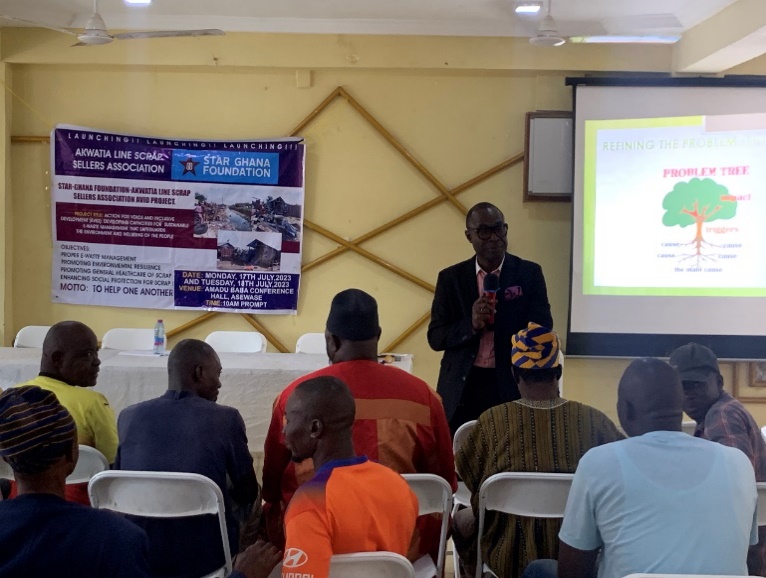
The project kicked off with an inception meeting involving 40 key stakeholders. The inception meeting brought together key stakeholders from both Kumasi Metropolitan Assembly (KMA) and Asokore Mampong Municipal Assembly (AMMA). Prominent among them was Hon. Samuel Pyne, the Mayor of KMA and other relevant duty bearers from the relevant departs and agencies within Kumasi including chiefs who have interest in the scrap activities. This meeting set the stage for collaboration and laid the groundwork for the activities to follow, ensuring that all parties were aligned with the project’s goals and objectives.
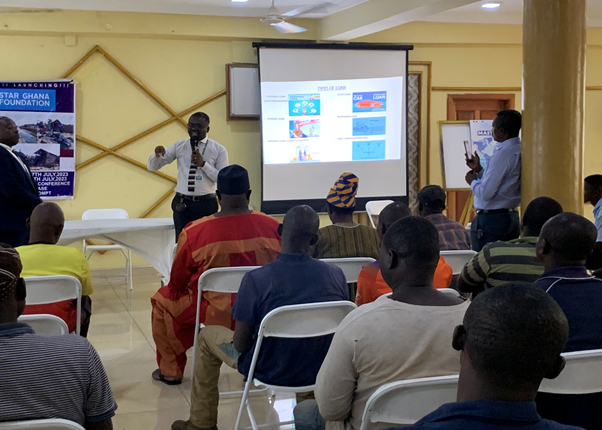
A pivotal component of the project was the two-day training workshop for 50 leaders of the scrap dealer’s association. This workshop focused on movement building and association management, equipping leaders with the skills necessary to organize and manage their associations more effectively. This training aimed to foster a sense of unity and purpose among the leaders, enabling them to better represent and support their members.
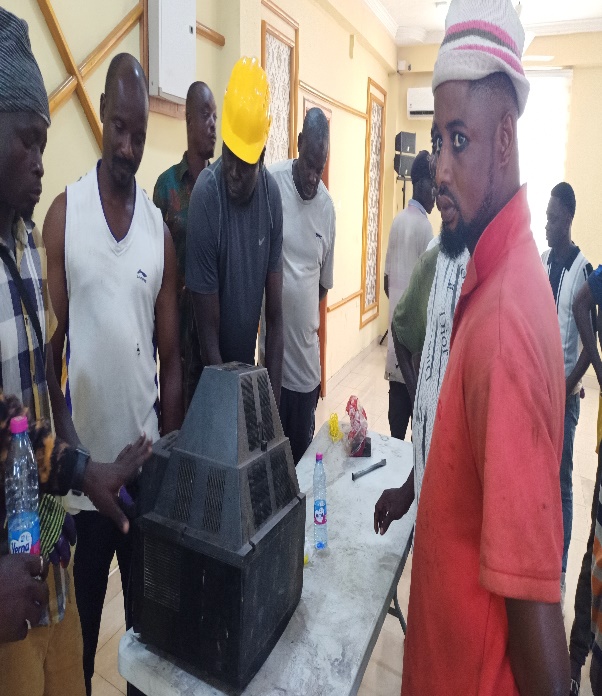
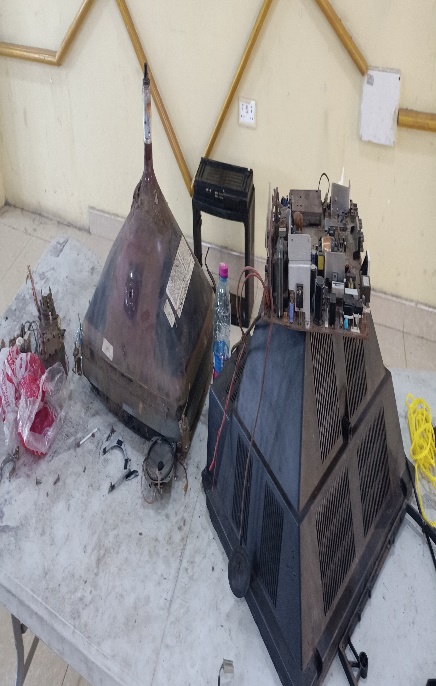
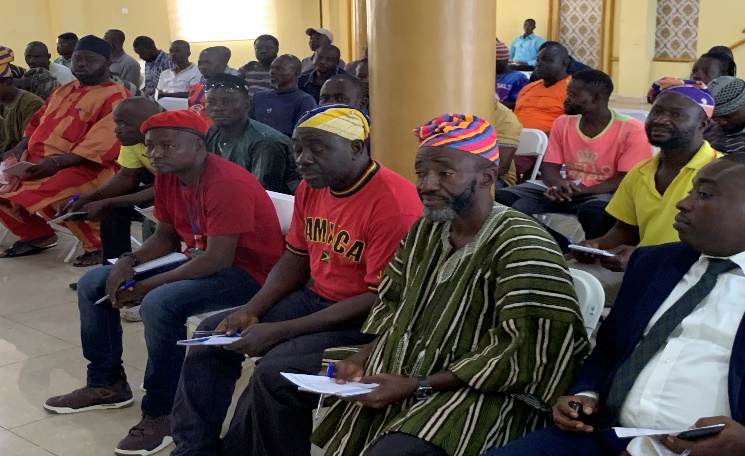
Following this, a three-day training workshop was conducted for 600 scrap dealers. This extensive training covered sustainable e-waste management practices and highlighted the health and social impacts of improper e-waste handling. By educating scrap dealers on these critical issues, the project seeks to promote safer and more environmentally friendly practices within the industry.
Additionally, a two-day workshop was organized for 60 leaders, focusing on movement building, negotiation skills, and association management. This training aimed to further enhance the leadership capabilities within the community, ensuring that leaders are well-prepared to advocate for their members and negotiate better terms and conditions.
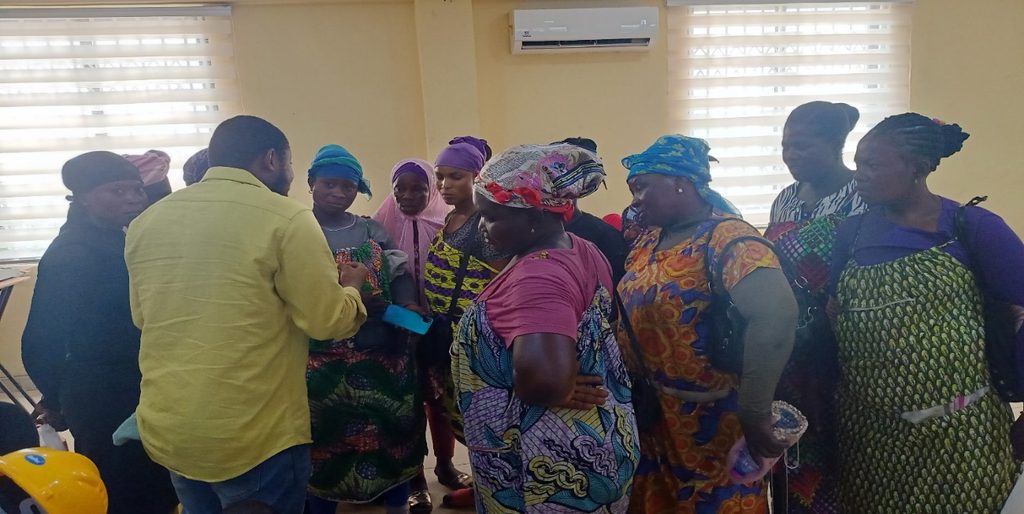
Recognizing the unique challenges faced by women in the sector, an advocacy training session was held for 70 women scrap dealers. This session aimed to empower women with the tools needed for effective advocacy and leadership, promoting gender equality within the industry.
To raise awareness and foster broader community support, a 20-minute documentary was developed. This documentary highlights the challenges and triumphs of scrap dealers in managing e-waste in Kumasi, providing a compelling narrative that underscores the importance of sustainable practices.
Through these targeted activities, the project not only enhances the capacity of scrap dealers in managing e-waste sustainably but also promotes entrepreneurial skills and overall well-being, paving the way for a more organized, empowered, and healthier community of scrap dealers in Kumasi.
Before the intervention, the scrap dealer community in Kumasi and Akwatialine in particular faced numerous challenges related to e-waste management and socio-economic conditions. The city, like many others in developing countries, struggled with the improper disposal and management of electronic waste, leading to severe environmental and health hazards. Scrap dealers, who play a critical role in the informal recycling sector, were at the forefront of this issue, dealing with hazardous materials daily without adequate knowledge or resources to manage them safely.
The existing situation was marked by a lack of structured organization and formal training among scrap dealers. Most of them operated independently or in loosely formed groups, lacking the necessary skills in association management, negotiation, and advocacy. This disorganization led to inefficiencies and limited their ability to negotiate better prices for e-waste or advocate for improved working conditions and policies.
Health risks were a significant concern, as scrap dealers were often exposed to toxic substances without proper protective gear or awareness of safe handling practices. The lack of knowledge about the environmental and health impacts of e-waste further exacerbated the situation, leading to unsafe disposal practices that harmed both the community and the environment.
Women in the scrap dealer community faced additional challenges, including gender-based discrimination and limited access to leadership opportunities. Their contributions were often undervalued, and they had fewer opportunities to participate in decision-making processes or advocacy efforts.
Overall, the pre-intervention scenario was one of disorganization, tenure insecurity, harassment from the police, inadequate capital, health risks, and socio-economic struggles. The community lacked the support and resources needed to manage e-waste sustainably, improve their working conditions, and enhance their livelihoods. This situation underscored the urgent need for a comprehensive intervention to address these critical issues.
To address the pressing challenges faced by scrap dealers in Kumasi, a comprehensive intervention was launched by the association with the support of STAR-Ghana Foundation, focusing on capacity building, sustainable e-waste management, environmental safeguards, healthcare and the socio-economic empowerment of scrap dealers. The intervention was structured around several key strategies and approaches to ensure a holistic and impactful transformation.
1. Stakeholder Engagement:
The intervention began with an inception meeting involving 40 key stakeholders, including government representatives, sister associations, private sector partners, and community leaders. This meeting was crucial for aligning all parties on the project’s objectives, fostering collaboration, and ensuring broad-based support for the subsequent activities.
2. Leadership Training:
Recognizing the need for strong leadership within the E-Waste sector, a two-day training workshop was organized for 71 leaders of the scrap dealer’s association. The training focused on movement building and association management, equipping leaders with skills to organize their members, advocate effectively, and manage their associations more efficiently.
3. Comprehensive Training for Scrap Dealers:
A major component of the intervention was a three-day training workshop for 600 scrap dealers on basic dismantling. This workshop provided in-depth training on sustainable e-waste management practices, highlighting the health and social impacts of improper e-waste handling. The training aimed to improve safety standards, promote environmental sustainability, and enhance the overall effectiveness of e-waste recycling. The training explored the business modules related to dismantling electrical gadgets and extracting the useful parts for resale or repairs. This increased their money sources as the whole gadget is not scrambled and sold as scrap.
4. Advanced Leadership and Negotiation Skills:
Further leadership training was provided through a two-day workshop for 60 leaders, focusing on advanced movement building, negotiation skills, and association management. This training aimed to enhance the leaders’ ability to negotiate better terms and conditions, advocate for policy changes, and support their members more effectively.
5. Empowerment of Women Scrap Dealers:
To address gender disparities and empower women within the scrap business, an advocacy training session was organized for 70 women scrap dealers. This training aimed to equip women with the tools needed for effective advocacy, leadership, and participation in decision-making processes. The women were encouraged to take up executive positions or be appointed same to enhance their interest in the e-waste industry.
6. Raising Awareness through Media:
A 30-minute video documentary was developed to highlight the challenges and triumphs of scrap dealers in managing e-waste in Kumasi. This documentary was to serve as a wake-up call to city authorities, raise public awareness, garner community support, and underscore the importance of sustainable e-waste management practices in Kumasi.
Through these targeted strategies and approaches, the intervention successfully enhanced the capacity of scrap dealers in Kumasi, promoting sustainable e-waste management practices, improving health and safety standards, and empowering the community both economically and socially.
From My Point of View
The intervention has made significant strides in transforming the lives of scrap dealers in Akwatialine, promoting a healthier and more sustainable approach to e-waste management, and fostering socio-economic empowerment. By equipping scrap dealers with essential skills and knowledge, we have witnessed a marked improvement in their handling of e-waste, reducing environmental and health risks. The establishment of organized associations has fostered a sense of unity and collective bargaining power, enabling scrap dealers to negotiate better prices and working conditions. The focus on women’s empowerment has also started to shift gender dynamics within the association, giving women a stronger voice and more opportunities for leadership.
ii. From the Beneficiaries
The beneficiaries have reported significant improvements in their professional and personal lives. The training programs have not only enhanced their technical skills but also boosted their confidence and sense of purpose. Here are some testimonials from individuals and stakeholders impacted by the intervention:
Awal Zakaria, the Chairman:
“Before the training, I didn’t know how harmful e-waste could be to my health and the environment. Now, I wear protective gear and follow safe handling practices. I also feel more confident negotiating prices for the scrap I collect because I know the value of the materials.”
Laardi Ayine: scrap Seller
“As a woman in this industry, I often felt sidelined. The advocacy training has empowered me to speak up and take on leadership roles. I feel more respected by my peers as part of the executives, and I’m now actively involved in decision-making processes.”
Abdulia Alhasan, Chairman:
“The leadership and training in dismantling training was a game-changer for us. We have formed a strong association, at first, we did not know even how to talk to the city authorities or police and we had many police problems. But due to the advocacy training we are able to speak to even the police and get our people set free when they get police problem.” The training in proper dismantling ang bye-laws of not burning cable wires at the scrap yards have tremendously improve the air quality and reduce the green houses released into the atmosphere to cause climate change’’.
Project Lead:
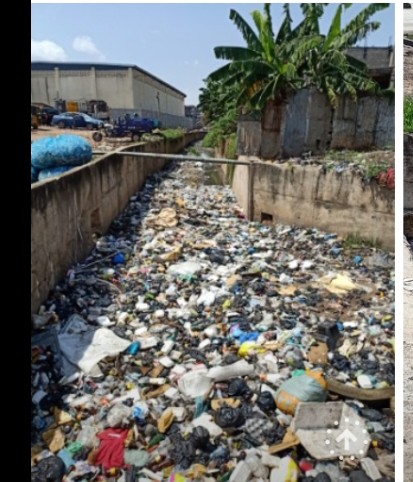
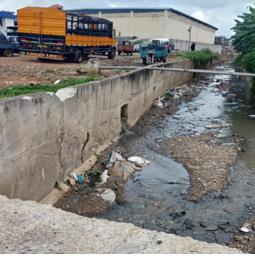
“This project has not only improved e-waste management in Kumasi but has also built a more cohesive and empowered community of scrap dealers. The environmental benefits are clear, stoppage to burning of cable wires at the scrap yards, avoiding throwing of unwanted plastics and e-waste into drains and dirty oil which leach into the soil and reduction of land, air and water pollution. The health and economic impacts are equally profound.”
The intervention has fostered a profound shift in attitudes and behaviors, leading to more sustainable practices, stronger community relationships, and enhanced economic opportunities. The scrap dealers are now better equipped to manage e-waste responsibly, advocate for their rights, and contribute positively to their community and the nation.
Appendixes